

 español


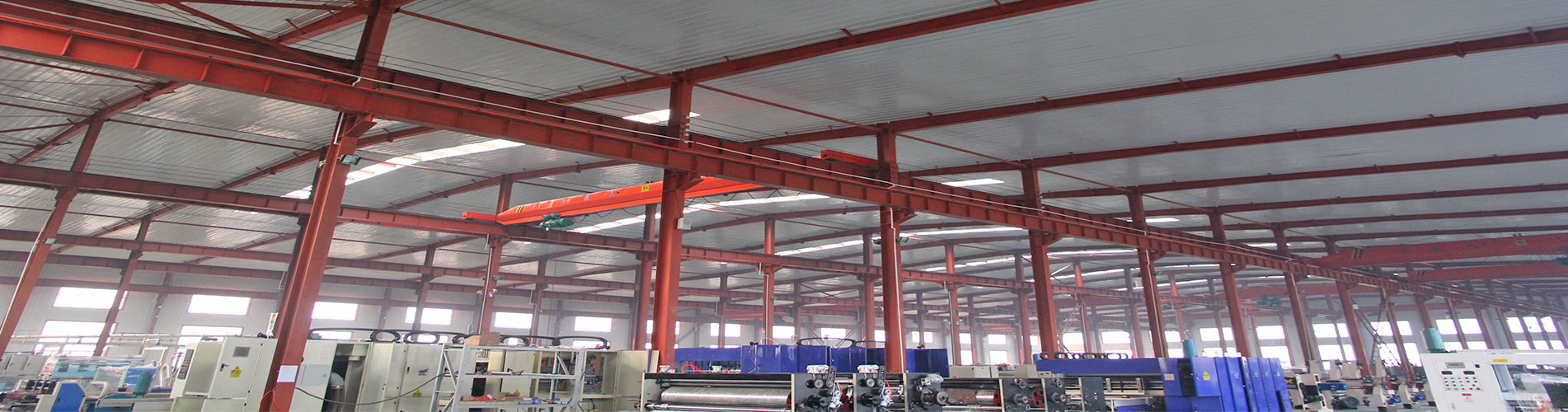

How many factors affect the cost of prefab workshop building?
Prefabricated (prefab) workshop buildings have become increasingly popular for businesses and individuals looking for cost-effective, quick-to-assemble structures. However, one common question is: What determines the final price tag?
The truth is, there isn’t a single fixed cost—multiple factors influence how much you’ll spend. Let’s break them down.
1. Size of the Building
The most obvious factor is size. Larger workshops require more materials, stronger foundations, and longer construction time, all of which add to the total cost. Pricing is often calculated per square meter or square foot, so even small changes in dimensions can make a noticeable difference.
2. Design Complexity
A simple rectangular steel structure is generally cheaper than a custom-designed building with multiple rooms, mezzanines, or unusual shapes. Complex rooflines, extra doors/windows, and special architectural features also increase expenses.
3. Materials Used
Material choice affects both upfront costs and long-term durability. Common prefab workshop materials include:
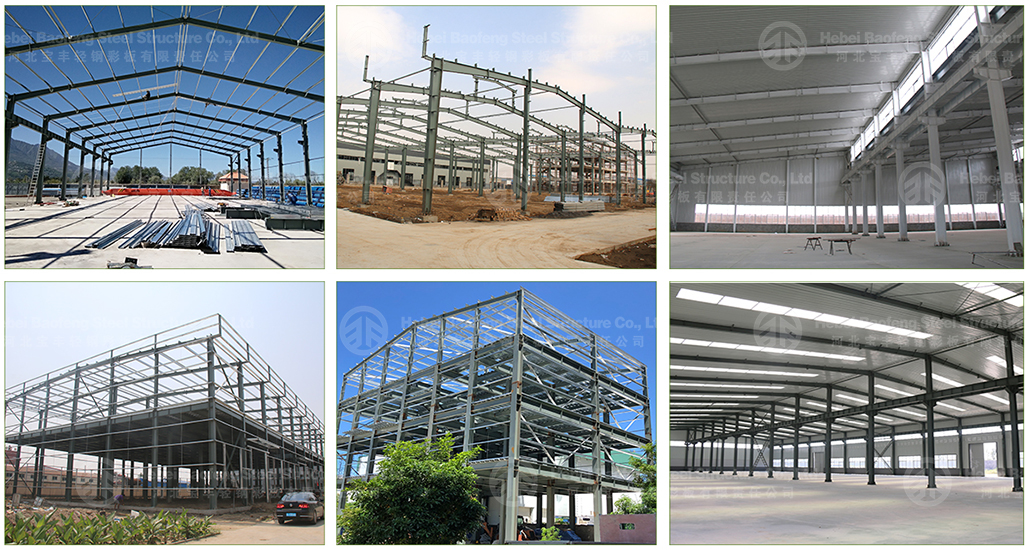
Steel frames
Insulated metal panels
Concrete flooring
Upgrading to higher-grade steel, better insulation, or premium finishes will raise the budget but may save money over time through energy efficiency and lower maintenance.
4. Location & Site Conditions
Where you build matters. Costs vary by region due to:
Local labor rates
Material transportation distances
Soil conditions requiring special foundations
Difficult terrain may require additional earthworks, which adds to the expense.
5. Building Purpose & Internal Requirements
Workshops built for heavy manufacturing need reinforced floors, advanced ventilation, and heavy-duty electrical systems. In contrast, a storage-focused workshop may not require such upgrades. Specialized equipment installation can also impact costs.
6. Insulation & Climate Control
If your workshop needs heating, cooling, or humidity control, insulation quality becomes crucial. High-performance insulation reduces operating costs but increases initial spending.
7. Permits & Compliance
Local building codes, zoning laws, and permit fees differ widely. Fire safety requirements, environmental regulations, and accessibility standards can all influence design choices—and your wallet.
8. Delivery & Assembly
Transportation distance from the manufacturer to your site impacts logistics costs. On-site assembly complexity, crane rentals, and labor availability also play a role.
9. Timeline
Urgent projects often come with expedited production and delivery fees. If you can plan ahead, you’ll likely avoid rush charges.
10. Additional Features
Extras like skylights, solar panels, security systems, office partitions, or custom paint jobs all add to the bottom line.
Categorías
último blog
Etiquetas


Para Consultas sobre nuestros productos o su lista de precios, por favor, déjanos a nosotros y estaremos en contacto dentro de las 24 horas.
© Derechos de autor: 2026 Hebei Baofeng Steel Structure CO.,LTD Reservados todos los derechos.

IPv6 red apoyada


 +8615720226351