

 español


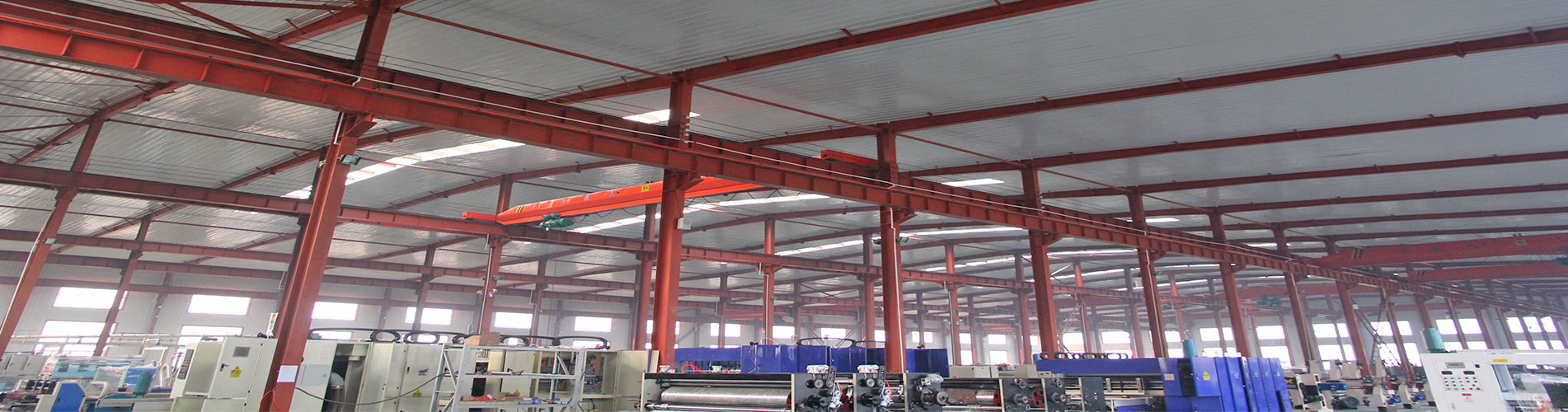

Cost-Effective Heat Preservation for Steel Structure Warehouses
Here are cost-effective heat preservation solutions for steel structure warehouses, combining insulation performance with budget considerations:
1. Insulation Materials (Core Choices)
Glass Wool / Rock Wool:
Pros: Low cost, good fire resistance (A1级不燃), excellent sound absorption.
Cons: Heavier, requires careful handling (skin/eye irritation), moisture protection needed.
Best for: Walls, roofs where initial cost is the primary driver.
EPS Foam Board (Expanded Polystyrene):
Pros: Very low cost, lightweight, easy to install, good moisture resistance.
Cons: Lower fire rating (requires flame-retardant grade), can be damaged by pests.
Best for: Non-critical areas, budget-constrained projects, or as part of a composite system.
2. Cost-Saving Construction & Design Strategies
Optimized Insulation Thickness: Conduct an economic analysis to find the "sweet spot" where added material cost balances with long-term energy savings. Don't just default to the thickest option.
Focus on Airtightness: The best insulation is useless if air leaks. Use quality tapes, sealants, and proper installation around doors, windows, and panel joints. This is a high-ROI measure.
Strategic Placement: Prioritize the roof (where most heat rises and escapes), then walls. Consider insulating the perimeter of the floor slab.
Utilize Thermal Mass: If applicable, a painted concrete floor can absorb heat during the day and release it at night, stabilizing temperature at low cost.
Passive Solar & Ventilation: Design with strategically placed, operable skylights or vents for hot air exhaust (ridge vents) and cool air intake (eave vents) to reduce cooling costs.
3. Composite Wall/Roof System (Most Common & Balanced)
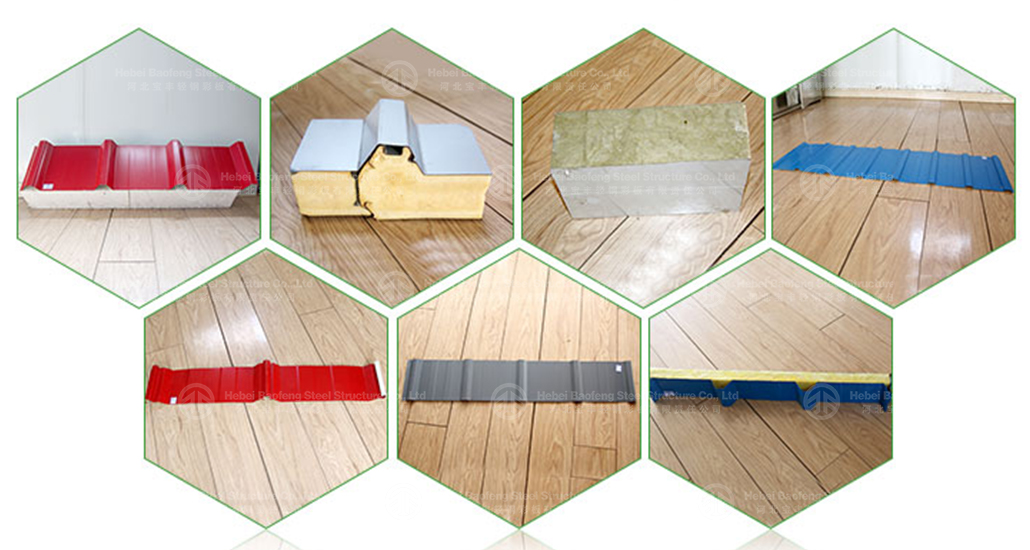
The standard, cost-effective practice is to use sandwich panels or build a composite system:
Structure: Primary steel frame.
Cladding: Outer layer of corrugated steel sheet.
Insulation Core: Filled with glass wool/rock wool rolls or boards (most economical) or XPS boards.
Inner Liner: Inner layer of steel sheet or protective membrane.
This system provides structure, insulation, and cladding in one integrated, relatively quick-to-install solution.
4. Key Considerations for Cost-Effectiveness
Local Climate: Choose material and thickness suitable for local temperature ranges and humidity.
Building Codes: Ensure the selected material, especially foam plastics, meets local fire safety regulations. Upgrades for fireproofing can add cost.
Lifecycle Cost: Consider durability and maintenance. A slightly more expensive material that lasts longer and doesn't settle (like XPS vs. fiber batts) may be cheaper over 20 years.
Installation: Factor in labor cost. Simple, DIY-friendly materials (like foam boards) can save money, but professional installation for systems like spray foam ensures performance.
Categorías
último blog
Etiquetas


Para Consultas sobre nuestros productos o su lista de precios, por favor, déjanos a nosotros y estaremos en contacto dentro de las 24 horas.
© Derechos de autor: 2026 Hebei Baofeng Steel Structure CO.,LTD Reservados todos los derechos.

IPv6 red apoyada


 +8615720226351